Have you ever heard someone call Prayagraj by another name and wondered why? A lot of people still refer to this Uttar Pradesh city as Allahabad, especially if they’re from older generations or used to maps from a few years back. The old name of Prayagraj is Allahabad, and the switch happened fairly recently.
I’m a travel enthusiast who loves digging into the stories behind place names in India. In this post, I’ll explain where Allahabad came from, when and why it became Prayagraj again, and what it means for the city today. It’s a straightforward change, but it ties into bigger ideas about history and identity. Let’s get into it.
The Origins: From Ancient Prayaga to Allahabad
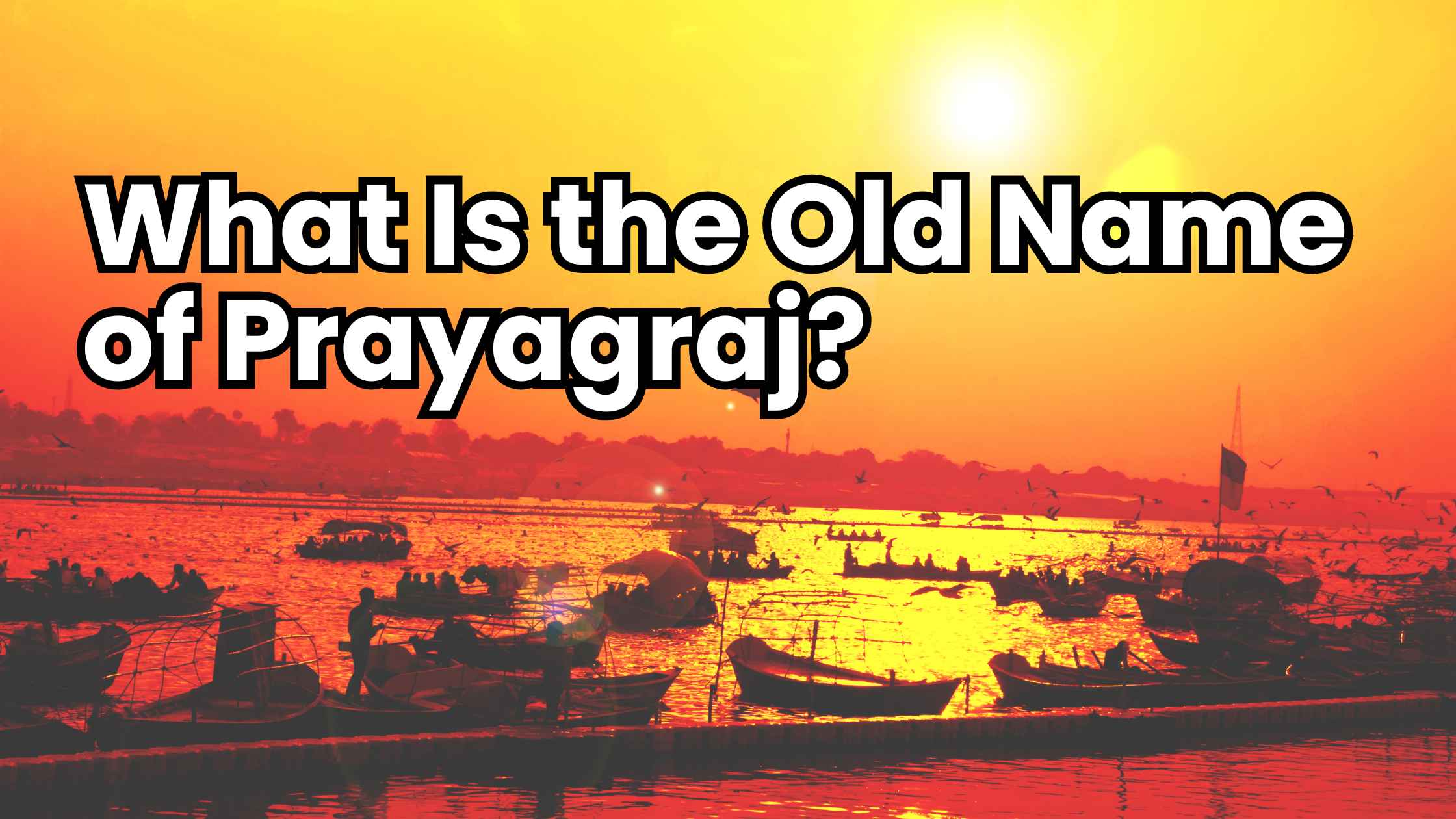
Long before anyone called it Allahabad, the city went by Prayaga or Prayag. This name comes from ancient Sanskrit texts and means “place of confluence” – a nod to the famous Triveni Sangam where the Ganges, Yamuna, and Saraswati rivers meet.
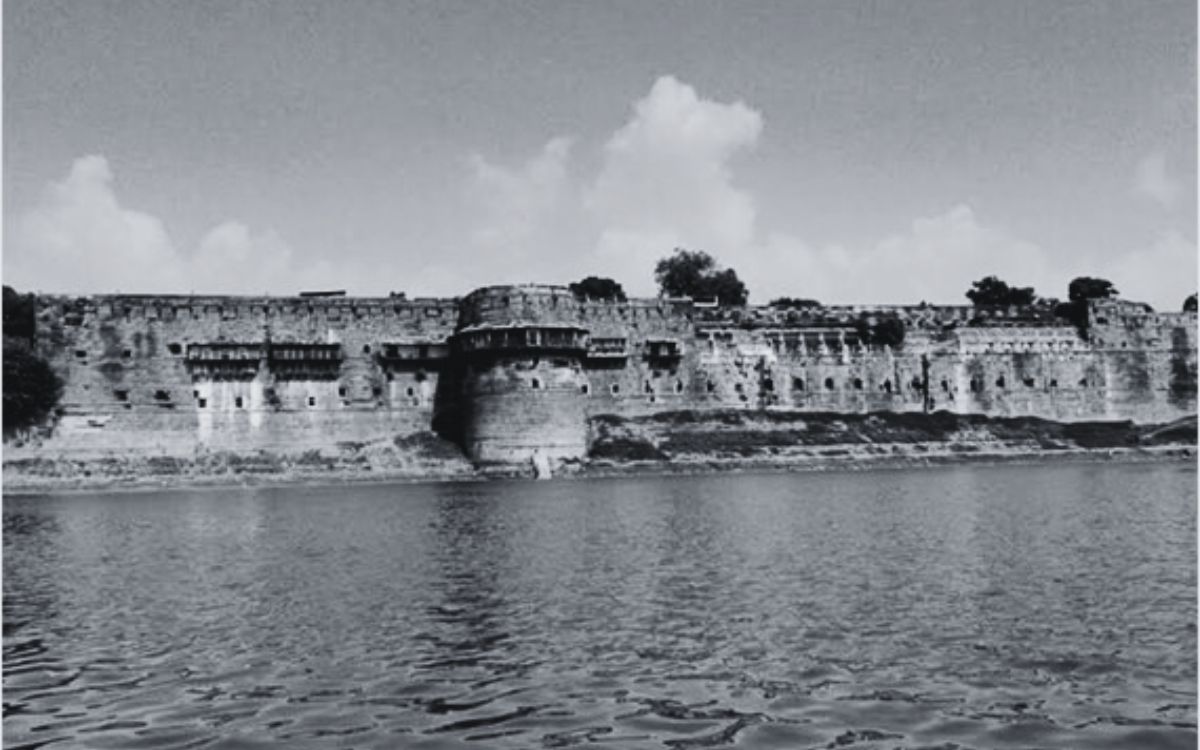
In the 16th century, Mughal Emperor Akbar arrived. He built a grand fort here in 1583 and decided to rename the city Ilahabad, which meant “Abode of God” or “Garden of Allah.” Over time, it evolved into Allahabad. The British kept the name when they took control, and it stuck for centuries.
Allahabad became well-known during colonial times as an administrative hub. Courts, universities, and government buildings popped up, and the name appeared on everything official.
The Name Change Back to Prayagraj
Fast forward to 2018. The Uttar Pradesh government, led by Chief Minister Yogi Adityanath, decided to rename the city Prayagraj. The change became official in October that year.
The main reason? Many felt Allahabad was a colonial-era name that didn’t fully honor the city’s ancient Hindu roots. Bringing back Prayagraj highlighted its spiritual importance, especially with events like the Kumbh Mela drawing huge crowds.
Not everyone agreed at first – some worried about confusion with addresses, documents, or just habit. But the shift aimed to reconnect with the original identity mentioned in epics like the Ramayana and Mahabharata.
Today, both names get used. Airports, train stations, and signs now say Prayagraj, but you’ll still hear locals and visitors slip in Allahabad sometimes.
Why the Confusion Still Happens
Even years later, people search for the old name because:
- Maps and older books use Allahabad.
- The university is still officially Allahabad University.
- Famous spots like Allahabad High Court and Allahabad Fort keep the old name in everyday talk.
It’s similar to how Mumbai was once Bombay or Chennai was Madras – names take time to fully switch in people’s minds.
If you’re planning a trip, search for either name, and you’ll find the same place. Tickets to Prayagraj Junction (the main station) work just fine.
What the Name Means for the City Today
Prayagraj feels more tied to its sacred side now. The name emphasizes the Sangam and religious festivals. Tourism promotions often highlight this ancient connection.
At the same time, the city keeps growing with modern touches – better roads, events, and facilities, especially after the 2025 Kumbh Mela.
Wrapping It Up
The old name of Prayagraj is Allahabad, given by Emperor Akbar in the 1500s and used until the 2018 rename. The change brought back the ancient Prayagraj to celebrate its spiritual heritage.
Names carry stories, and this one shows how places evolve while holding onto their past. Next time someone mentions Allahabad, you’ll know exactly what they’re talking about. Have questions about the city or planning a visit? Drop a comment – happy to chat!
Frequently Asked Questions
What was Prayagraj previously known as?
Prayagraj was previously known as Allahabad.
When did Prayagraj change from Allahabad?
The official name change happened in October 2018.
Who renamed the city to Allahabad originally?
Mughal Emperor Akbar renamed it in 1583.
Why did they change the name to Prayagraj?
To honor the city’s ancient Sanskrit name and its religious significance.
Do people still call it Allahabad?
Yes, many still use Allahabad, especially for institutions like the university and high court.

Maharshi Kushwaha is the founder of Prayagraj Portal, a digital platform dedicated to providing accurate news, city updates, culture, education, tourism, jobs, events, and essential services related to Prayagraj (Allahabad). Though he is not originally from Prayagraj, he frequently visits the city and works closely with a strong local team to ensure authentic and responsible reporting. A passionate digital creator and youth entrepreneur, he focuses on building meaningful platforms that promote information access, youth engagement, and community development. His vision is to make Prayagraj Portal one of the most trusted and impactful digital sources for everything related to Prayagraj.