Allahabad, now officially called Prayagraj, is one of the oldest and most important cities in India. It stands at the meeting point of the Ganga and Yamuna rivers, with the Saraswati believed to flow underground. For thousands of years, people have come here to pray, learn, trade, and rule.
In ancient times, the city was known as Prayag, a sacred place mentioned in Hindu scriptures. Over the centuries, it became part of great empires, saw Mughal rulers build forts and cities, experienced British rule, played a major role in India’s freedom struggle, and later became a center of politics and education.
The history of Allahabad is not just about kings and battles. It is about faith, learning, culture, and the people who shaped India. This article takes you through the city’s journey from ancient times to the modern era.
Ancient Period – The Sacred Land of Prayag
Prayag in Hindu Scriptures
The name Prayag appears in the Rigveda, Puranas, and the Mahabharata. The word Prayag means place of sacrifice. Hindu belief says that Lord Brahma performed the first ritual sacrifice here after creating the universe. Because of this, Prayag is seen as the holiest of all pilgrimage places.
The Triveni Sangam is the heart of the city. The Ganga and Yamuna are visible, but the Saraswati is believed to flow invisibly. Pilgrims believe that bathing here cleanses sins and brings spiritual peace. For centuries, saints, pilgrims, and scholars have gathered here for religious rituals and discussions.
Prayag is also called Tirtharaj, which means the king of pilgrimage places. Unlike other holy cities connected to one god, Prayag represents creation, life, and purification.
Early Life and Settlements
Long before empires, people lived near the rivers because of fertile soil, fresh water, and easy travel. Villages developed around temples, hermitages, and learning centers. Sages taught students in forest schools, and religious debates were common.
The rivers helped in farming, fishing, and trade. Boats carried goods and people across regions, making Prayag an early trade and cultural center.
Mauryan and Gupta Periods – Rise of Power and Culture
Mauryan Empire and Ashoka
During the Mauryan Empire, Prayag became important for administration and religion. Emperor Ashoka visited the region and erected the Ashoka Pillar. His inscriptions talk about peace, morality, and good governance.
The Ashoka Pillar still stands inside the Allahabad Fort and is one of the oldest historical monuments in the city. It shows that Prayag was important even in ancient political systems.
Gupta Golden Age
The Gupta period is often called the golden age of India. During this time, Prayag became a center of culture, art, science, and learning.
Emperor Samudragupta recorded his achievements in the Prayag Prashasti inscription. This inscription describes his military campaigns, administration, and diplomacy. Scholars consider it one of the most important historical records of ancient India.
Prayag attracted poets, mathematicians, astronomers, and philosophers. Sanskrit literature flourished, and knowledge spread across India from this region.
Medieval Period – Mughal Foundation of Allahabad
Akbar and the City of Ilahabas
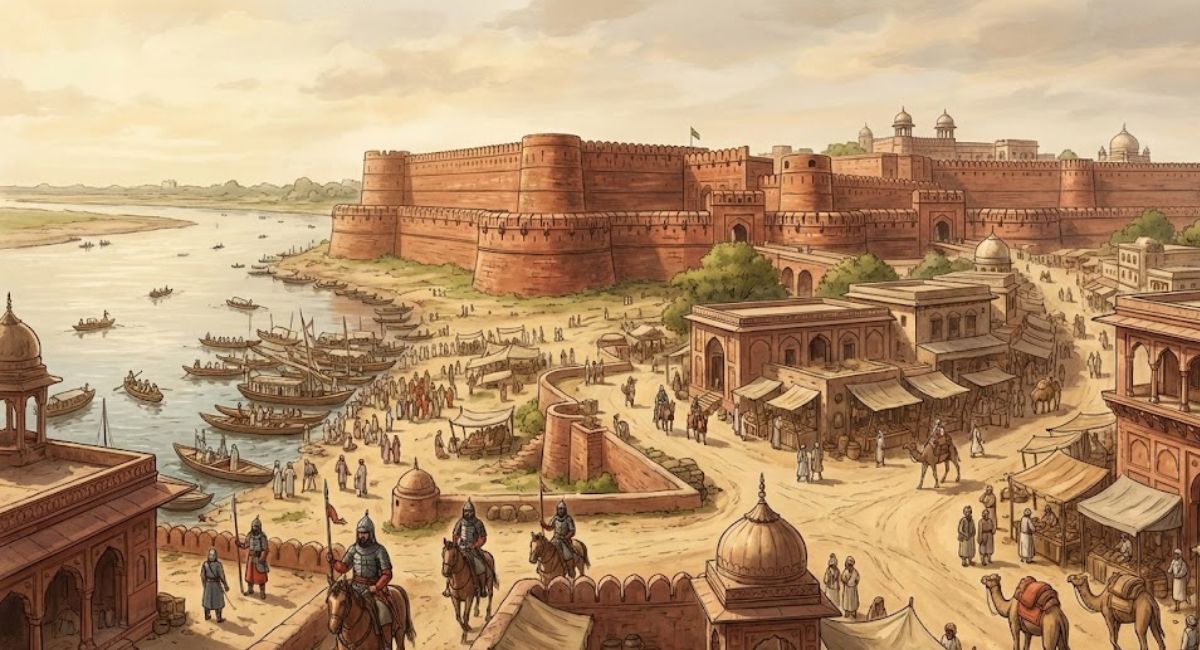
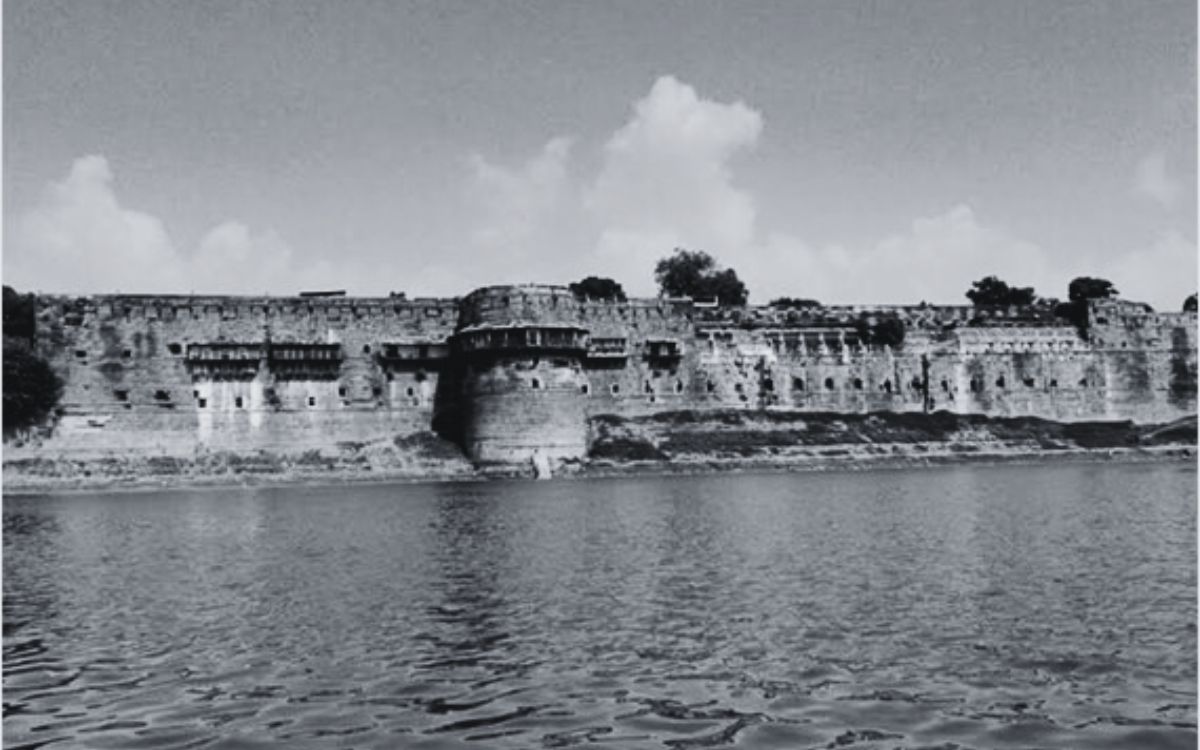
In 1583, Mughal Emperor Akbar founded the city of Ilahabas, which later became Allahabad. He built the Allahabad Fort near the Sangam. The fort was one of the strongest in India, with thick walls, gates, and military structures.
Akbar chose this location because of its religious importance and strategic position. It helped him control northern and eastern India. The city became a Mughal administrative and military center.
Mughal Life and Development
Under Jahangir, Allahabad served as a provincial capital for some time. Mughal gardens, mosques, markets, and residential areas developed around the fort.
Trade increased because of river routes. Merchants, artisans, and travelers passed through Allahabad, making it a busy city. Mughal culture influenced architecture, language, food, and daily life.
Colonial Period – British Rule and City Transformation
Treaty of Allahabad
In 1765, the Treaty of Allahabad was signed between Mughal Emperor Shah Alam II and the East India Company. This treaty gave the British revenue rights over Bengal, Bihar, and Orissa. It marked a major step in British control over India.
After this, Allahabad became a key city in British administration.
Capital and Urban Planning
In 1858, Allahabad was declared the capital of the North-Western Provinces. Later, it became the capital of the United Provinces. The British built civil lines, government offices, courts, railways, and cantonments.
The city was planned with wide roads, parks, and colonial buildings. British officers, Indian officials, and traders lived in different areas, shaping the modern city layout.
Education and Law
Allahabad High Court was established in 1866. It became one of the most respected courts in India. Allahabad University was founded in 1887 and quickly gained a reputation for excellence. It was called the Oxford of the East.
Students from across India came to study law, politics, science, and literature. Many future leaders studied in Allahabad.
Role in India’s Freedom Struggle
Congress and National Politics
Allahabad played a major role in the Indian independence movement. The Indian National Congress held important sessions here in 1888 and 1892. Political discussions and strategies were planned in the city.
Nehru Family and Anand Bhavan
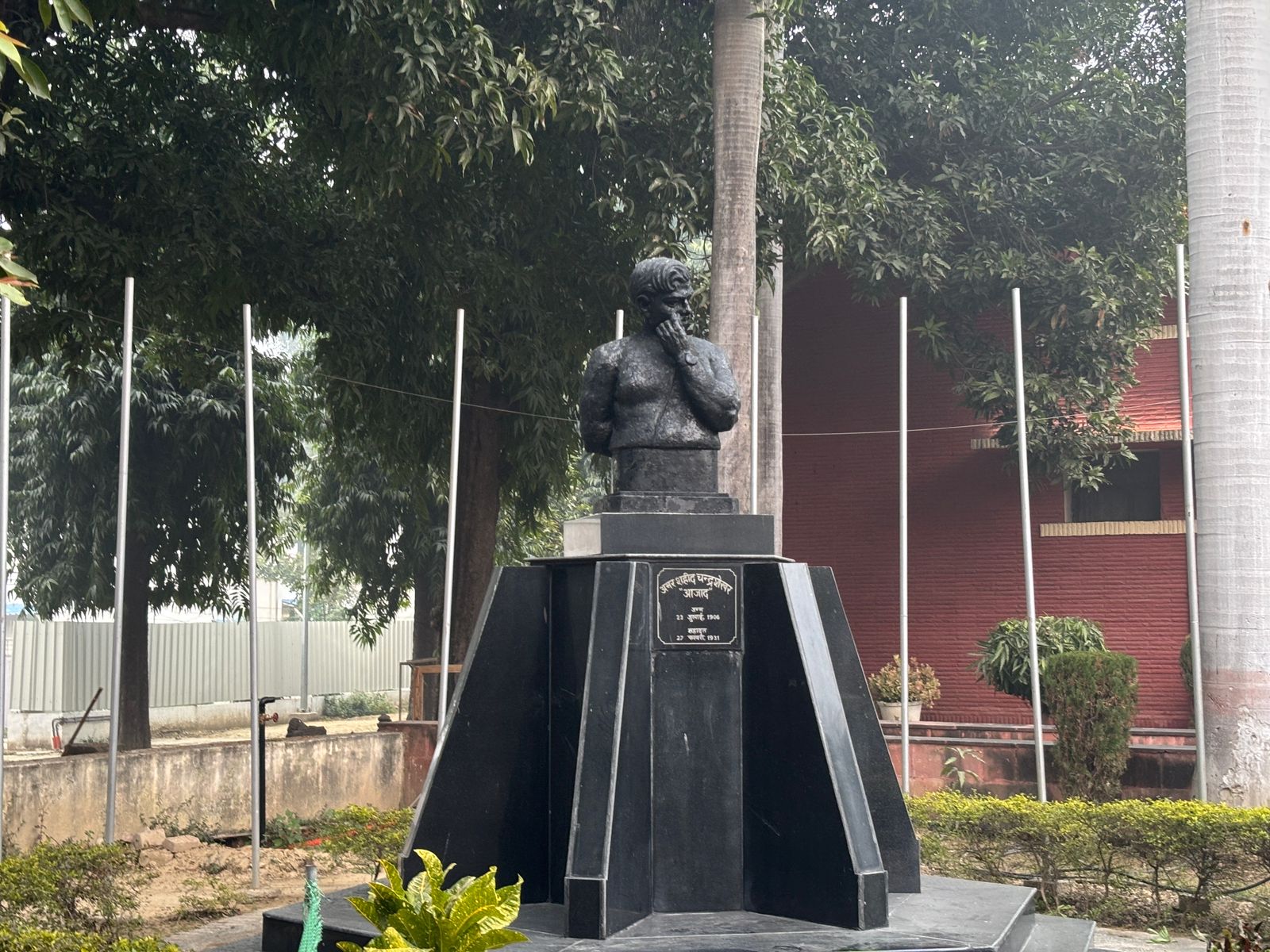
The Nehru family lived in Anand Bhavan and Swaraj Bhavan. Motilal Nehru, Jawaharlal Nehru, and Indira Gandhi were deeply connected to Allahabad. Mahatma Gandhi often visited the city and stayed with the Nehru family.
These houses became centers of political planning and national movements.
Mass Movements
During the Non-Cooperation Movement, Civil Disobedience Movement, and Quit India Movement, people of Allahabad actively participated. Students, lawyers, teachers, and traders joined protests and boycotts.
The city became a symbol of nationalism and political awareness.
Post-Independence Era – Political and Cultural Center
Political Importance
After 1947, Allahabad continued to be important in Indian politics. Jawaharlal Nehru, Lal Bahadur Shastri, and Indira Gandhi had strong ties to the city. Many politicians, judges, and administrators came from Allahabad.
Renaming to Prayagraj
In 2018, the government renamed Allahabad to Prayagraj to revive its ancient name. The change aimed to highlight the city’s historical and religious roots. Today, both names are used, but Prayagraj is the official name.
Kumbh Mela and Global Recognition
Prayagraj hosts the Kumbh Mela, the largest religious gathering in the world. Millions of pilgrims come every 12 years to bathe at the Sangam. The event attracts global attention and researchers, tourists, and media from many countries.
Cultural and Intellectual Legacy
Allahabad has produced many poets, writers, journalists, and thinkers. It played a key role in Hindi literature and journalism. Newspapers, magazines, and publishing houses grew here.
The city also contributed to social reforms, education, and legal thought. Allahabad University and High Court shaped India’s intellectual and legal systems.
Modern Prayagraj – Tradition and Development Together
Today, Prayagraj is a modern city with universities, courts, industries, and tourism. Smart city projects, better roads, airports, and digital services are changing the city.
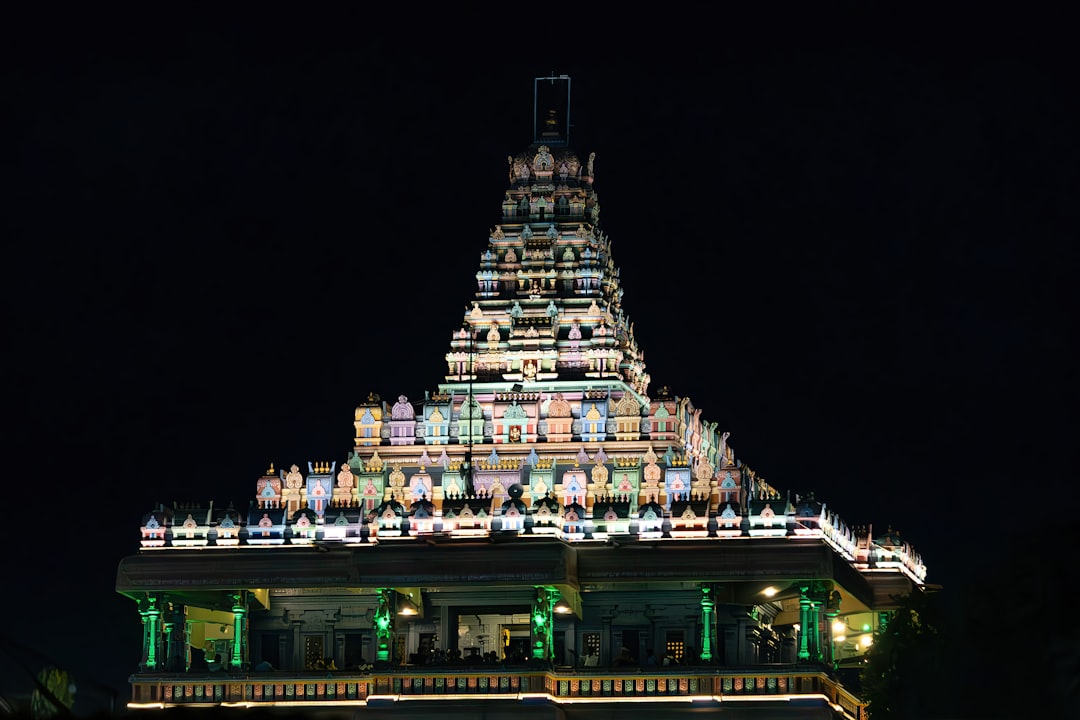
At the same time, temples, ghats, festivals, and rituals keep the ancient culture alive. The city balances tradition and progress in a unique way.
Conclusion
The history of Allahabad, now Prayagraj, is deeply connected to the history of India. From sacred rituals in ancient times to empires, colonial rule, freedom movements, and modern democracy, the city has seen every major chapter of Indian history.
Prayagraj is more than a city. It is a place where faith, knowledge, politics, and culture meet. Its rivers, monuments, institutions, and people carry the memory of thousands of years. Understanding Allahabad’s history helps us understand India’s journey as a civilization.

Maharshi Kushwaha is the founder of Prayagraj Portal, a digital platform dedicated to providing accurate news, city updates, culture, education, tourism, jobs, events, and essential services related to Prayagraj (Allahabad). Though he is not originally from Prayagraj, he frequently visits the city and works closely with a strong local team to ensure authentic and responsible reporting. A passionate digital creator and youth entrepreneur, he focuses on building meaningful platforms that promote information access, youth engagement, and community development. His vision is to make Prayagraj Portal one of the most trusted and impactful digital sources for everything related to Prayagraj.