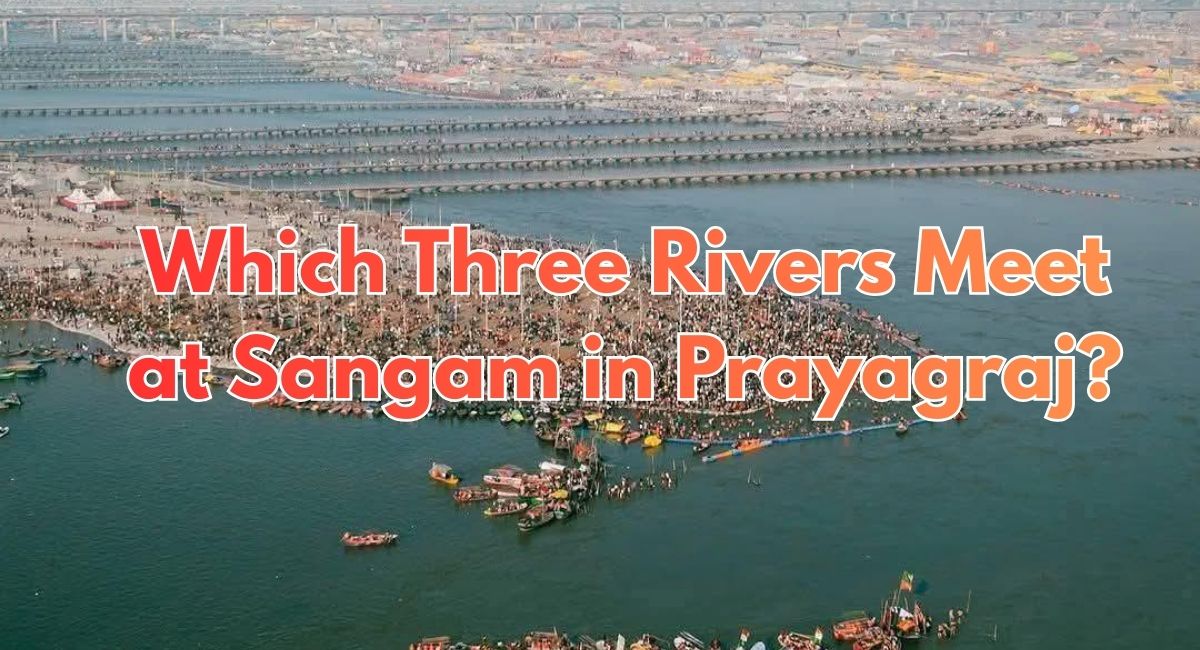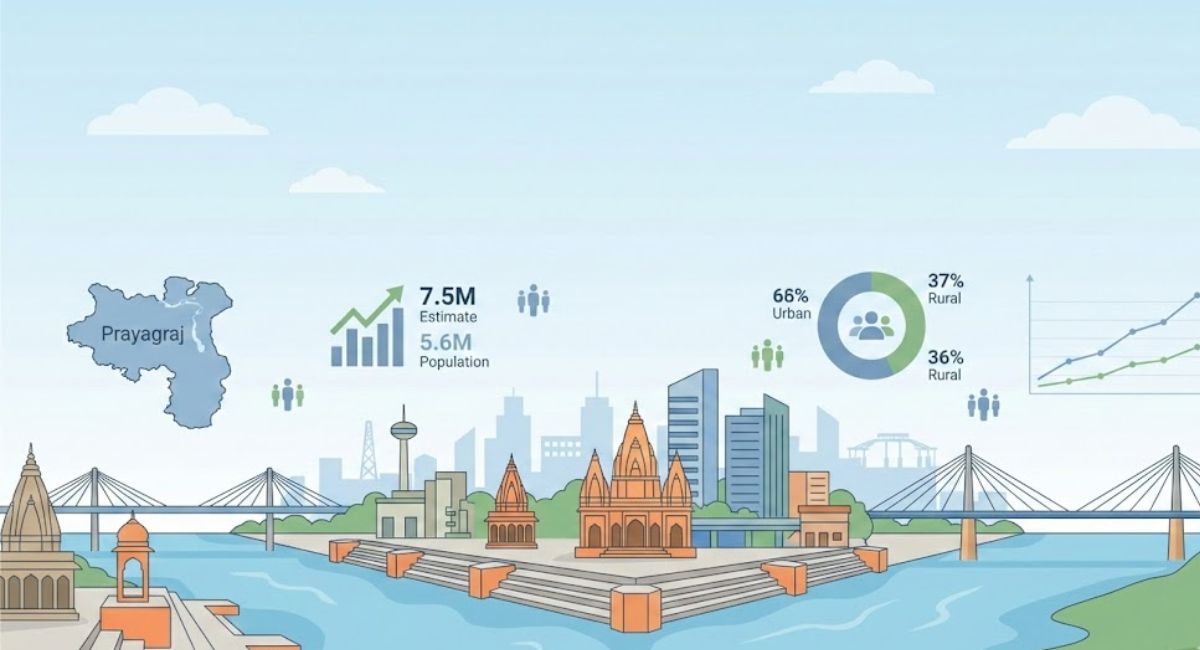
Prayagraj, formerly known as Allahabad, is one of the oldest continuously inhabited cities in India. It sits at the sacred confluence of the Ganga, Yamuna, and the mythical Saraswati rivers, known as Triveni Sangam. This city has witnessed thousands of years of history, from ancient Vedic civilization to Mughal rule, British colonial era, and modern India.
The timeline of Prayagraj is filled with religious milestones, political power shifts, cultural growth, and educational progress. From being a sacred pilgrimage center to becoming a hub of learning and administration, Prayagraj has played a major role in shaping Indian civilization.
In this article, you will explore a detailed timeline of major historical events in Prayagraj, including ancient, medieval, colonial, and modern periods. This guide covers key dates, rulers, movements, and turning points that shaped the city.
Ancient Era – Origins of Prayagraj
Prehistoric and Vedic Period (Before 1000 BCE)
Prayagraj is mentioned in ancient Hindu scriptures such as the Rigveda, Puranas, and Mahabharata. The city was known as Prayag, meaning place of sacrifice. It was considered the holiest of pilgrimage sites.
Key historical facts
- Prayag was a major center of Vedic rituals and yajnas
- The Triveni Sangam was believed to be the meeting point of divine rivers
- Sages and rishis performed penance here
Maurya and Gupta Period (322 BCE – 550 CE)
During the Maurya and Gupta empires, Prayag became a major administrative and cultural center.
Important events
- Emperor Ashoka controlled the region and promoted Buddhism
- The Gupta dynasty ruled Prayag and encouraged art and education
- Prayag Prashasti inscription by Harisena praised Samudragupta
Prayag became a center of Sanskrit learning and religious activity.
Medieval Period – Islamic and Mughal Rule
Delhi Sultanate Period (1206 – 1526)
The city came under Islamic rule during the Delhi Sultanate. Many temples were destroyed or modified during this time, but Prayag remained a religious center for Hindus.
Key developments
- Establishment of Muslim administration
- Growth of trade and markets
- Continued Hindu pilgrimage despite political changes
Mughal Era – Birth of Allahabad (1556 – 1707)
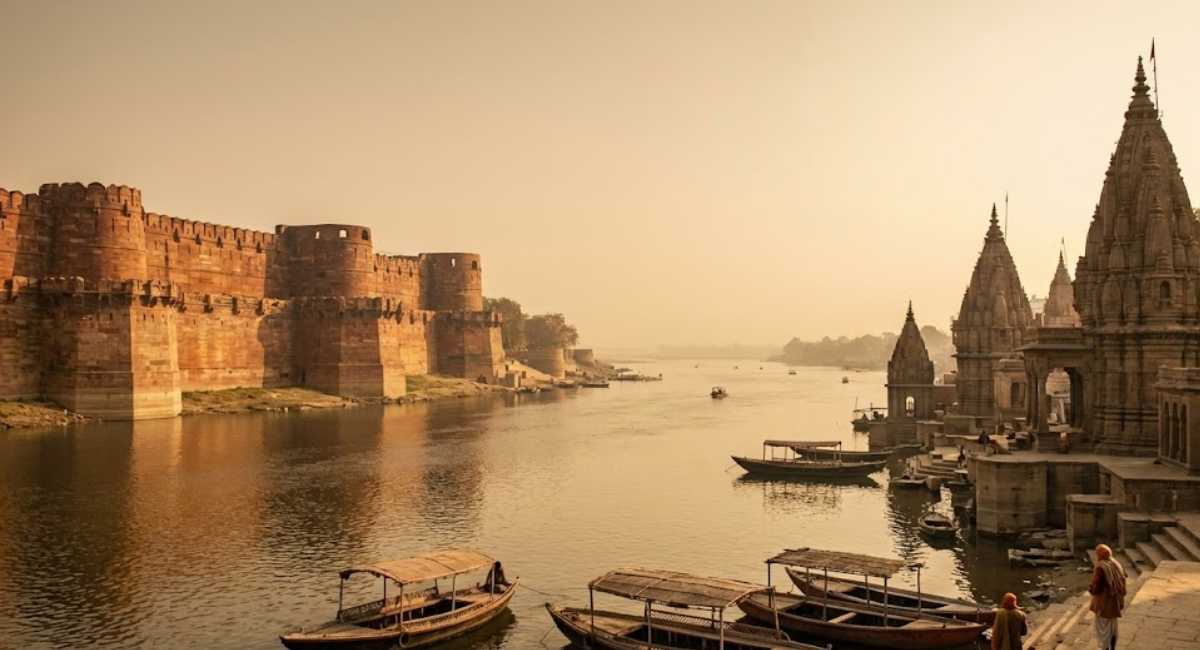
In 1575, Mughal Emperor Akbar founded the city of Allahabad. He built the Allahabad Fort and made the city a strategic military and administrative center.
Major events
- 1575 – Akbar renamed Prayag as Ilahabas or Allahabad
- Construction of Allahabad Fort near Triveni Sangam
- Establishment of Mughal governance
- Growth of Persian culture, art, and architecture
Allahabad became a key city in the Mughal empire.
British Colonial Era – Rise of Modern Allahabad
East India Company Rule (1765 – 1857)
The British East India Company gained control of Allahabad after the Battle of Buxar in 1764.
Important milestones
- 1765 – Allahabad came under British administration
- Construction of civil infrastructure and courts
- Development of trade and railways
Revolt of 1857
Allahabad played an important role in the Indian Rebellion of 1857.
Key events
- Indian soldiers and civilians revolted against British rule
- British regained control after heavy fighting
- Allahabad became a major British military base
Capital of United Provinces (1902 – 1931)
Allahabad was made the capital of the United Provinces during British rule.
Major developments
- Establishment of government offices
- Expansion of education institutions
- Construction of colonial architecture
Educational and Cultural Growth
Establishment of Allahabad University (1887)
Allahabad University was founded in 1887 and became known as the Oxford of the East.
Key facts
- Produced many leaders, scholars, and administrators
- Major center for Hindi literature and journalism
Indian Independence Movement (1885 – 1947)
Allahabad was a strong center of the freedom movement.
Major events
- 1885 – Indian National Congress sessions held in Allahabad
- Home of Nehru family at Anand Bhavan
- Leaders like Jawaharlal Nehru and Motilal Nehru lived here
- Civil disobedience and Quit India movements organized
Post Independence Era – Birth of Prayagraj Identity
After 1947
After India gained independence, Allahabad continued to grow as an administrative and educational hub.
Important events
- Development of public sector institutions
- Growth of judiciary with Allahabad High Court
- Expansion of universities and research centers
Renaming to Prayagraj (2018)
In 2018, the city was officially renamed from Allahabad to Prayagraj to reflect its ancient heritage.
Key impact
- Revival of historical and cultural identity
- Promotion of tourism and religious heritage
Kumbh Mela and Religious Significance
Kumbh Mela Timeline
Prayagraj hosts the Kumbh Mela every 12 years and Ardh Kumbh every 6 years.
Major Kumbh events
- Ancient times – Kumbh tradition mentioned in Puranas
- 2013 – Maha Kumbh attended by over 100 million pilgrims
- 2019 – Ardh Kumbh became one of the largest religious gatherings in history
The Kumbh Mela is considered the largest peaceful gathering in the world.
Modern Developments in Prayagraj
21st Century Growth
Prayagraj has seen rapid development in infrastructure, education, and tourism.
Major milestones
- Expansion of Prayagraj Airport
- Smart city projects
- Development of riverfront and ghats
- Growth of digital media and local news platforms
Detailed Timeline of Major Historical Events in Prayagraj
- Before 1000 BCE – Prayag mentioned in Vedic texts
- 322 BCE – Maurya Empire controls Prayag
- 4th Century CE – Gupta Empire peak period
- 1206 – Delhi Sultanate rule begins
- 1575 – Akbar founds Allahabad
- 1765 – British East India Company takes control
- 1857 – Revolt against British rule
- 1887 – Allahabad University established
- 1902 – Capital of United Provinces
- 1947 – India becomes independent
- 2013 – Maha Kumbh Mela global event
- 2018 – City renamed Prayagraj
Impact of Prayagraj on Indian History
Prayagraj has contributed significantly to Indian politics, religion, education, and culture.
Key contributions
- Birthplace of many freedom fighters
- Center of Hindi literature
- Major Hindu pilgrimage site
- Important judicial and administrative center
Actionable Takeaways for Readers
- Visit Triveni Sangam to understand religious heritage
- Explore Allahabad Fort and Anand Bhavan for historical insights
- Attend Kumbh Mela for cultural experience
- Read local archives and museums for deeper history
Conclusion
Prayagraj is more than just a city. It is a living timeline of Indian civilization. From ancient Vedic rituals to modern digital platforms, the city has evolved while preserving its sacred and cultural identity.
Understanding the timeline of major historical events in Prayagraj helps us appreciate its role in shaping India. Whether you are a resident, student, traveler, or researcher, Prayagraj offers a deep connection to India’s past and present.
FAQs – Timeline of Prayagraj History
Q1. When was Prayagraj founded?
Prayagraj existed in ancient times and is mentioned in Vedic texts, making it one of the oldest cities in India.
Q2. Why was Prayagraj called Allahabad?
Mughal Emperor Akbar renamed Prayag to Allahabad in 1575.
Q3. When was Allahabad renamed Prayagraj?
The city was renamed Prayagraj in 2018 by the Uttar Pradesh government.
Q4. Why is Prayagraj famous?
Prayagraj is famous for Triveni Sangam, Kumbh Mela, Allahabad University, and its role in Indian history.
Q5. What is the significance of Kumbh Mela in Prayagraj?
Kumbh Mela is a major Hindu pilgrimage festival held every 12 years at Prayagraj.

Maharshi Kushwaha is the founder of Prayagraj Portal, a digital platform dedicated to providing accurate news, city updates, culture, education, tourism, jobs, events, and essential services related to Prayagraj (Allahabad). Though he is not originally from Prayagraj, he frequently visits the city and works closely with a strong local team to ensure authentic and responsible reporting. A passionate digital creator and youth entrepreneur, he focuses on building meaningful platforms that promote information access, youth engagement, and community development. His vision is to make Prayagraj Portal one of the most trusted and impactful digital sources for everything related to Prayagraj.